
Contents
Overview
An NFT, or Non-Fungible Token, is a unique digital identifier recorded on a blockchain that certifies ownership and authenticity of digital assets, such as artworks, photos, videos, and audio, differing from cryptocurrencies in their uniqueness and inability to be copied or subdivided. NFTs provide a public certificate of ownership and scarcity, making them a significant development in the world of digital art and collectibles, with platforms like OpenSea and Rarible facilitating their creation, sale, and trade, and utilizing blockchain technology and cryptocurrency for secure transactions.
📖 Definition & Core Concept
An NFT is a unique digital identifier that is recorded on a blockchain, such as Ethereum or Polygon, and is used to certify ownership and authenticity of digital assets. This uniqueness is what sets NFTs apart from cryptocurrencies, which are fungible, meaning they can be exchanged for one another without any difference in value.
🔬 How It Works (Mechanics)
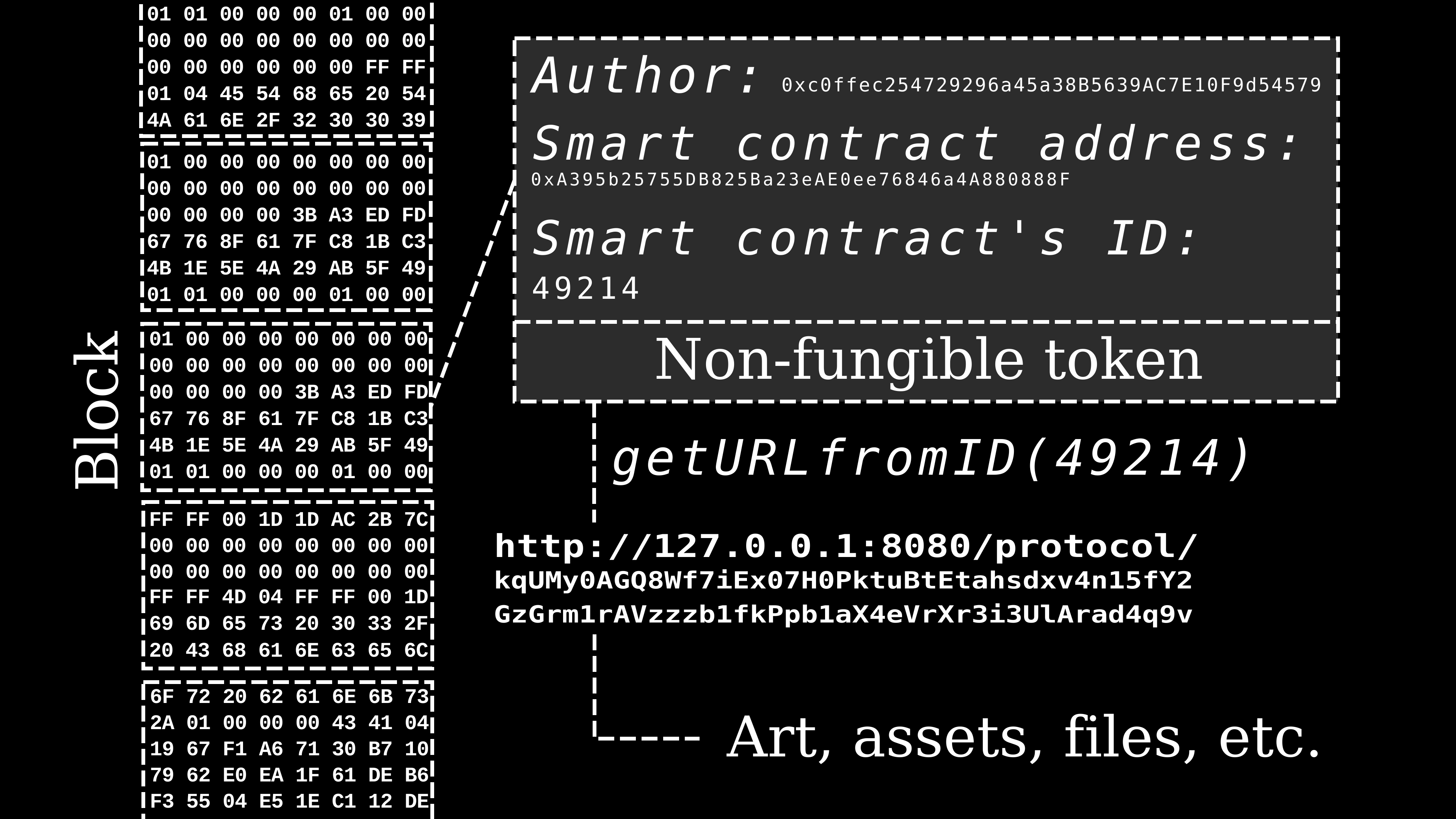
The mechanics of NFTs involve the creation of a digital token that is stored on a blockchain, which is a decentralized and secure way of recording transactions, utilizing smart contracts and wallets for secure storage and transfer. This token is then linked to a specific digital asset, such as a piece of art or a collectible, and can be bought, sold, and traded like any other asset, with platforms like NFTPort and Mintable providing tools for creators to mint and manage their NFTs.
📊 Key Facts, Numbers & Statistics
NFTs can be used to represent ownership of any unique digital asset, such as digital art or collectibles. They provide a public certificate of ownership and scarcity, making them a valuable addition to the world of digital art and collectibles.
🌍 Real-World Examples & Use Cases
Real-world examples of NFTs include digital artworks, such as those created by Beeple and Grimes, as well as collectibles, like NBA Top Shot and CryptoKitties, which have been sold for millions of dollars, with some even being auctioned off at major auction houses like Christie's and Sotheby's.
📈 History & Evolution
The history of NFTs is complex and multifaceted, with various individuals and organizations contributing to their development. However, the exact timeline and key events are not well-documented, and reportedly, the first NFTs were created in the early 2010s.
⚡ Current State & Latest Developments
The current state of the NFT market is one of uncertainty, with many questioning the value and longevity of these unique digital assets. However, proponents argue that NFTs provide a public certificate of ownership and scarcity, making them a valuable addition to the world of digital art and collectibles.
🔮 Why It Matters & Future Outlook
The future outlook for NFTs is uncertain, but many experts believe that they will continue to play a major role in the world of digital art and collectibles, with the rise of new platforms and marketplaces, as well as the increasing adoption of blockchain technology.
🤔 Common Misconceptions
Common misconceptions about NFTs include the idea that they are only for digital art, or that they are a type of cryptocurrency, when in fact NFTs can be used to represent ownership of any unique digital asset, and are distinct from cryptocurrencies in their uniqueness and inability to be copied or subdivided.
Key Facts
- Origin
- Blockchain technology
- Category
- personal-development
- Type
- concept
- Format
- what-is
Frequently Asked Questions
What is an NFT?
An NFT, or Non-Fungible Token, is a unique digital identifier recorded on a blockchain that certifies ownership and authenticity of digital assets, such as artworks, photos, videos, and audio. They are distinct from cryptocurrencies in their uniqueness and inability to be copied or subdivided, and are used to represent ownership of unique digital assets, such as digital art and collectibles.
How do NFTs work?
NFTs work by creating a digital token that is stored on a blockchain, which is a decentralized and secure way of recording transactions, utilizing smart contracts and wallets for secure storage and transfer. This token is then linked to a specific digital asset, such as a piece of art or a collectible, and can be bought, sold, and traded like any other asset.
What are the benefits of NFTs?
The benefits of NFTs include providing a public certificate of ownership and scarcity, making them a valuable addition to the world of digital art and collectibles. They also allow for the creation of unique digital assets, such as digital art and collectibles, and provide a new way for artists and creators to monetize their work.
What are the risks of NFTs?
The risks of NFTs include the potential for them to be used for illicit activities, such as money laundering, as well as the environmental impact of the blockchain technology used to create and trade them.
What is the market for NFTs?
The market for NFTs is currently uncertain, with many questioning the value and longevity of these unique digital assets. However, proponents argue that NFTs provide a public certificate of ownership and scarcity, making them a valuable addition to the world of digital art and collectibles.